
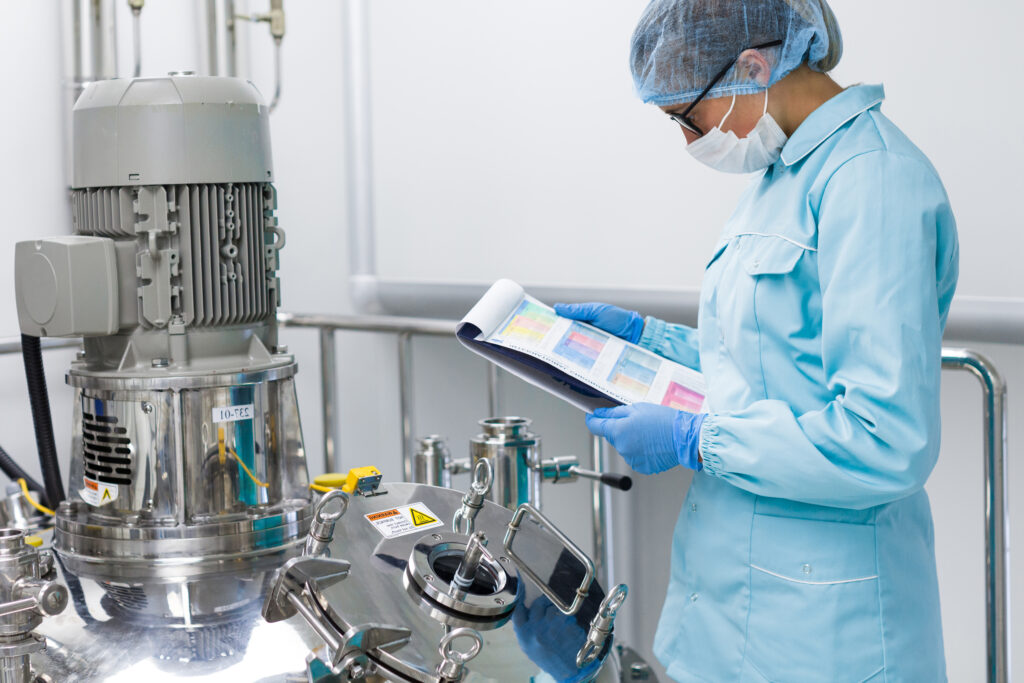
Are you facing challenges in the pharma industry, regulatory changes, technological integration, or quality checks? You are not alone; most of the pharma industries face these problems. Whether you own a pharma industry or work as a quality control manager, quality control in pharma manufacturing is essential. Because in the pharma industry, various healthcare medical product manufacturers ensure the product is beneficial and gives effective results. We will discuss, Quality Control in Pharma Manufacturing: Beginner’s Guide
Quality control acts like a guardian in the pharmaceutical world. With the help of quality control, it ensures every product leaving the manufacturing plant meets the highest standards before reaching the patient.
Demand For The Pharmaceutical Industry
As per the Department of Pharmaceuticals industry turns over approximately 15 million. And we rank now as 3rd worldwide by the massive production of pharma products.
What Is Quality Control In The Pharma Industry?
Quality control is the most essential process in the pharmaceutical industry because QC ensures every medicine perfectly meets Quality control standards. This process starts with inspecting the raw material or continuous inspection when the product is packed and shipped. Quality control always ensures various factors such as:
Raw material safety
- The correct amount of active ingredients in the pharma industry
- The batch is free from contaminants and impurities
- Product stability across the decided lifecycle
Why Is Quality Control Most Important In Pharma?

Quality control is not just about showing the department; this is the heart that flows blood through the entire pharma manufacturing process.
Patient Safety Comes First
Medicines are not commonly used or common products which directly affect the human body. Even a single minor error, potency, or impurity can lead to various side effects such as health risks, treatment failure. That’s why quality control works as a metal shield that ensures every medical product, tablet, capsule, or injection is thoroughly tested before reaching the patient or medical stores.
Meets Regulatory Requirements
The pharma industry is one of the most important and fastest-growing industries in the world because of its heavily regulated fields and a variety of products. Because various agencies like the WHO, USFDA, EMA, and CDSCO are constantly monitoring manufacturing standards. Without a Quality control or inspection system, batch rejection, penalties, or even product recalls, effective or robust quality control helps pharma manufacturers to operate smoothly without interruptions.
Ensure Product Quality Or Consistency
Imagine if you take one medicine and feel better after taking that. But the next day, the medicine doesn’t work the same; it looks scary. Because consistency in the pharma industry is crucial, QC ensures every batch ingredient, limit, or performance is exactly. This consistency receives the therapeutic effect every single time.
Enhance Brand Reputation or Trust
Every doctor, pharmacy, and patients trust in reputable pharma brands such as LifeVision Healthcare. If your product delivers with higher performance and effective benefits safety, efficiency, or accuracy, so all products are preferred in the market. QC control not only ensures the quality of your products it also ensures the company’s brand reputation and builds long-term loyalty with competitors.
What Are The Major Steps Of Quality Control?

Quality control not only for checking or ensuring the quality of products this process starts from top to bottom.
Every stage plays an important role in ensuring medicine is safe for patients and provides you with safe, effective, and consistent,
Raw Material Testing
QC ensures the raw material is properly inspected, such as identification, purity, or potency testing. But the active pharmaceutical ingredients or sensitive products ensure that to pass binder filters or preservative coatings.
Inspecting includes:
- Conform material quality
- Purity testing with unwanted chemicals or contaminants
- Verification of final strength or dosage
This inspection ensures the effective foundation and that the product is of pharmaceutical grade.
Process Quality Checks
When manufacturing starts, the quality control is not about checking the product; ultimately, it continuously monitors the process and helps to catch errors before they turn into issues. This process includes:
- Weight variation
- Mixing blending uniformity
- Ph variations are syrups
- Graduation quality for tablets
- Temperature control
These all real-time checkups easily maintain the consistency across batches or avoid production failures.
Biological Testing
Microbiological testing is one of the most essential parts of the pharmaceutical industry. The QC labs detect,
- Bacteria
- Fungus
- Yeast
- Edoxotonics
This process ensures the product is safe or free from organisms, infections, or reduces production errors.
Stability testing
The medicines are stored in various temperatures, and they face various environmental challenges, such as transportation and stability.
It ensures:
- Product storage temperature
- Transportation temperature
- Hos maintain potency
That’s why the medical product packaging properly mentions the storage temperature and undergoes quality inspections.
Final Product Testing
Before dispatching medicine in the market, the medicine batch needs to pass the comprehensive quality checkups or final testing. It verifies whether the product is safe and useful for patients or not.
- Drug amount measurements
- Discoloration time
- Tablet durability
- Sterility testing for injectable items
- Ensure packaging has no leakage or proper ceilings
This is the final checkpoint that ensures the medicine is safe, effective, or ready for patients.
Documentation of quality checks ensures the product traceability, transparency, or accountability, especially in audit sections.
People Also Ask About Quality Control In Pharma Manufacturing: Beginner’s Guide
Q.1 Why is QC important in the parma industry?
A: QC ensures the medicine is safe, pure, effective, and consistent, that strictly meets regulatory standards, protects patient health,
Q.2 Which documents are essential in QC?
A: essential documentations are batch manufacturing, BPR, COAs validation reports, or calibration reports.
Q.3 Do pharma product transportation require any temperature?
A: Not all medical products, but sensitive products, require temperature-controlled vehicles that easily maintain stability, degradation, or ensure product safety.



 Call Us: 8062750200
 Contact Us