
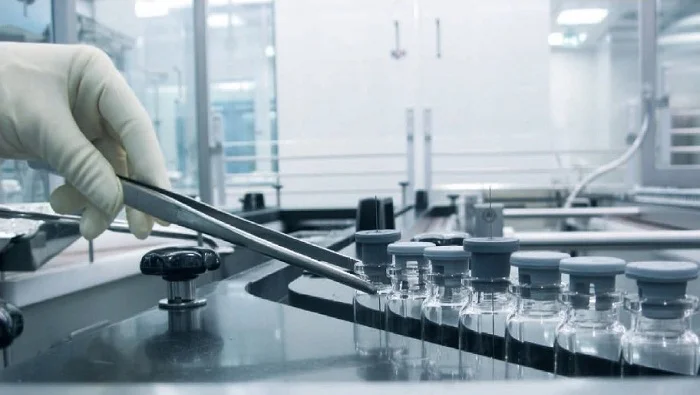
Indian pharmaceutical industry is one of the largest in the world that supplies medicines to over 200 countries. That’s the reason why sustainability in pharma manufacturing is no longer is choice its a necessity. In this blog, Lifevision Healthcare will provide you with everything you need to know about Sustainability in Pharma Manufacturing and what are the real world practices in Indian pharmaceutical industry.
What is Sustainability in Pharmaceutical Manufacturing?
Sustainable manufacturing for pharmaceuticals focuses on decreasing the negative impact that pharmaceutical manufacturing has on the ecosystem via the production of safe quality medicines for people. It is a transformation from a linear “take-make-dispose” manner of conducting business to a circular, eco-friendly and energy-efficient means of doing business.
Green Chemistry – Redesigning chemical formulations to eliminate or minimize hazardous materials and to reduce or eliminate all toxic waste by utilizing safer solvents.
Energy/Carbon Reduction – Upgrading to energy-efficient equipment, optimizing HVAC systems and using renewable energy sources to reduce carbon emissions into the atmosphere and reduce the overall carbon footprint of the manufacturing operation.
Water Management – Implementing closed-loop systems for the recycling of the water used in the production of Active Pharmaceutical Ingredients and striving for a reduction in the total use of water on the facility.
Waste & Packaging – Reducing the amount of hazardous waste generated by the manufacturing process and changing toward packaging that is recyclable or biodegradable.
Supply Chain – Establishing an ethical supply chain through identifying ethical suppliers, conducting supplier audits and minimising the amount of time pharmaceutical products are in transit in the supply chain to minimise the amount of greenhouse gas emissions from transportation.
Regulatory Compliance/ESG – Complying with the respective regulatory agency’s environmental regulations, supporting completion of Environmental, Social & Governance goals, and providing transparent reporting of business operations to all interested stakeholders.
Environmental Challenges in Indian Pharma Manufacturing
There are multiple steps in developing a drug, such as synthesising the raw material, producing the dosage form, packing it into a container to get ready for sale and distributing it for sale. Each of these activities will have different environmental effects. For example:
- High Water Use: Manufacturing drugs will involve large amounts of water (usually purified), especially during the manufacturing and cleaning of production equipment during the production of the dosage form.
- Waste and Effluent Discharge: Improper treatment of wastewater can lead to rivers being contaminated or groundwater being contaminated.
- Energy Usage: HVAC systems and cleanrooms as well as heating and cooling equipment used in the manufacturing process, will use large amounts of electricity.
- Hazardous Waste Generation: The disposal of leftover ingredients from making the drug and those rejected in the manufacturing process needs to be carefully handled.
- Packaging Waste: There will be a considerable amount of packaging waste generated from blister packs and plastic bottles if not handled correctly.
Environmentally Sustainable Practices in the Indian Pharmaceutical Industry
Sustainability is becoming more common within the Indian pharmaceutical industry through eco-friendly practices such as reducing the use of hazardous solvents (green chemistry), implementing solar energy generation (rooftop solar), and using technologically advanced methods of treating/recycling water. These companies are also implementing eco-friendly packaging materials (PET/biodegradable), supporting the circular economy through waste-to-energy projects, and developing highly efficient manufacturing processes that are focused on environmental, social, and governance (ESG) factors.
Key real-world examples:
- Green chemistry – Using enzymes (biocatalysis) and flow chemistry to decrease waste and improve product yields.
- Water management – Implementing water treatment processes that achieve zero liquid discharge (ZLD) through double reverse osmosis and electrodialysis (EDI) systems; examples of companies that use this technology to manufacture water-based (as opposed to solvent-based) products.
- Energy efficiency – Employing solar energy for electrical and heating purposes; improving HVAC systems to provide year-round cooling/heating service; utilising wind energy at manufacturing facilities.
- Waste reduction – Creating biodegradable, lightweight packaging; establishing take-back programs for expired medications.
- Sustainability culture – Creating employee training programs; establishing and maintaining digital records of product sustainability; establishing green supplier codes of conduct for suppliers.
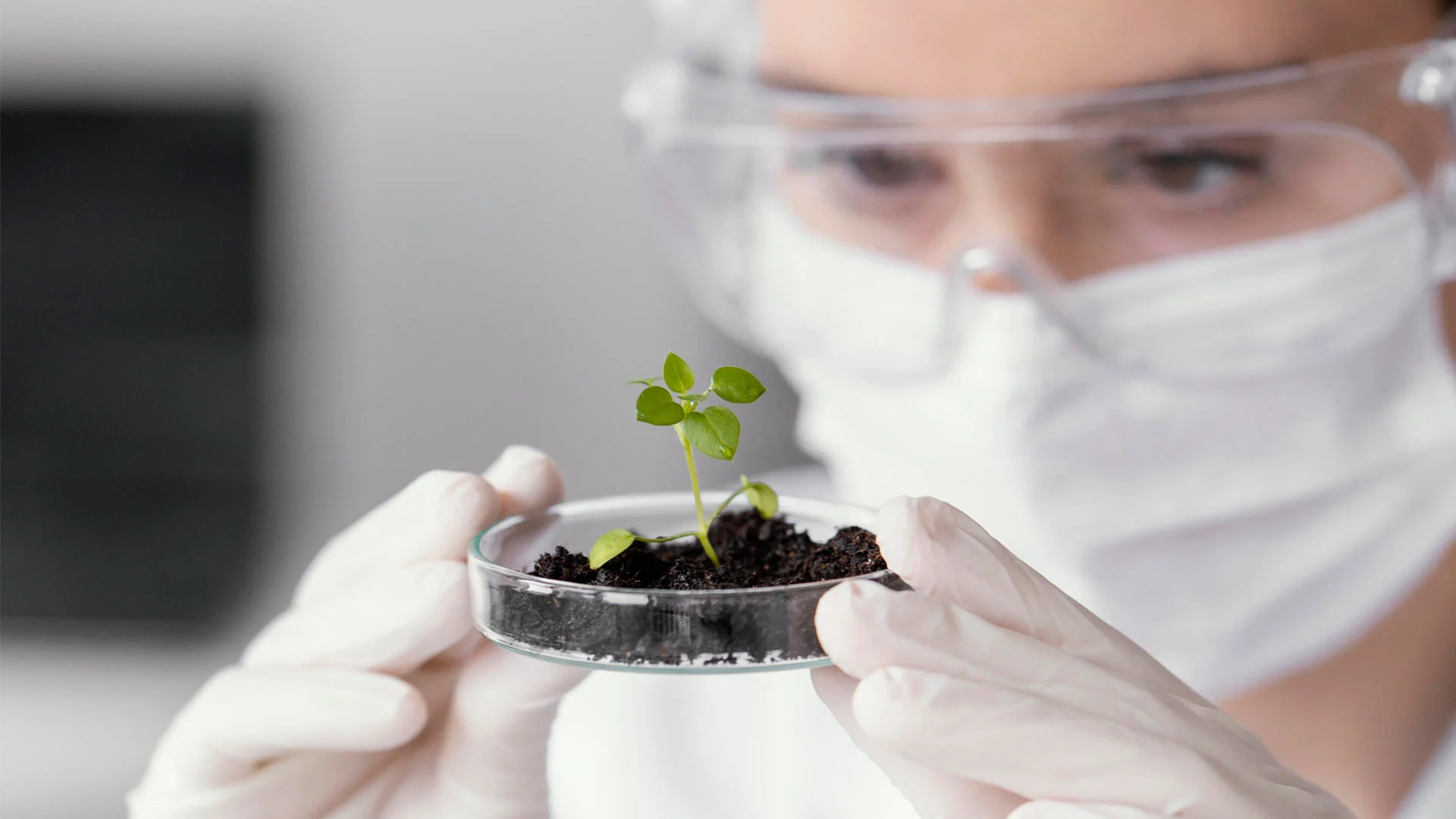
Sustainable Packaging Innovations in India
Packaging has a very important job in ensuring the safety of pharmaceuticals, while also contributing to the production of plastic waste. Manufacturers are now examining the possibility of developing:
- Recyclable blister packaging
- Packaging that has reduced plastic content
- Using biodegradable materials (currently under investigation)
- Developing minimalist packaging designs
All sustainable packaging maintains product integrity and compliance with product regulatory requirements while being environmentally sensitive.
How Lifevision Healthcare Integrates Sustainability into Manufacturing
Founded in 2010, Lifevision Healthcare has earned a stellar reputation by being a dependable provider of contract manufacturing and distribution to the pharmaceutical industry throughout India. They produce a great variety of drug formulations, including capsules, ointments, and softgel capsules while adhering to stringent quality control protocol.
All of Lifevision’s products are produced according to ISO and WHO-certified standards, allowing patients to have confidence that the products they are using have passed through the highest levels of quality control. The company has numerous engineers and scientists employed at our facility to inspect every step of their production process to minimise production errors as well as reduce loss of materials used in manufacturing processes.
State of the Art Technology
To produce the highest quality pharmaceutical products, Lifevision utilizes state-of-the-art hygienic technology in their manufacturing facilities. Lifevision employs high capacity, high efficiency machinery and controlled production systems to maximize available resources while minimizing their impact on the environment.
Environmental Responsibile Manufacturing
Lifevision’s focus on quality-first production greatly reduces the amount of rejected batches and waste produced during their production processes and adheres to waste management policies and procedures that comply with all applicable regulations related to sustainable manufacturing.
Lifevision’s business model demonstrates that it is possible to produce high-quality, low-cost pharmaceutical products while being environmentally responsible.
Benefits of Sustainable Pharma Manufacturing
Sustainable production methods provide a number of benefits including:
- Reduced Operational and Energy Costs
- Reduced Regulatory Risk and Penalties
- Expanded Export Opportunities
- Better Brand Image
- Increased Trust with PCD Franchise Partners
- Business Stability in the Long-Term
Conclusion
To sum up everything that has been stated so far, the above information on the topic “Sustainability in Pharma Manufacturing: Real-World Practices in India” provides everything you need to know about sustainability in pharma manufacturing and its real world implementations. If you want to learn more about the pharma industry, feel free to contact Lifevision Healthcare by dialling +918062750200 or emailing enquiry@lifevisionhealthcarechd.com. Visit Our Website Today!
FAQs About Sustainability in Pharma Manufacturing
What is the role of ISO and WHO-GMP certified organizations in supporting sustainability?
Answer: By adhering to ISO and WHO-GMP standards regarding resource management, process control, and safe disposal of waste, organizations can indirectly support environmentally responsible manufacturing through efficiencies gained from sustainable use of resources.
What are some ways in which pharmaceutical companies are helping to reduce environmental pollution?
Answer: Pharmaceutical companies have adopted measures such as Effluent Treatment Plant (ETP), Zero Liquid Discharge Systems (ZLD), renewable energy, waste separation/segregation, and energy efficient equipment to minimize pollution, conserve energy, and reduce their impact on the environment.
Is there an incremental cost associated with sustainable manufacturing?
Answer: While it may require an initial investment, sustainable manufacturing processes lead to reduced costs associated with ongoing operations and ultimately lower energy costs and lower risk of incurring environmental penalties.
What advantages do PCD companies have when working with a sustainable supplier/manufacturer?
Answer: Working with a sustainable manufacturer will improve brand recognition, reduce risk of compliance issues, and allow manufacturers to be more stable in terms of overall financial performance both domestically and globally.



 Call Us: 8062750200
 Contact Us