
If you have to take medicine for a headache and a fever, or you simply trust that it is safe? Most people also use it, feel better and leave thinking much about it. But did you think about medicines? How do we know the medicines are safe? The answer is, no one medicine is risk-free; every medicine contains some health risks, even after it is approved by health authorities and is easily available in the market. Medical healthcare experts are continuously researching how these medicines affect people in their lives. lets understand What Is Pharmacovigilance? Importance Of Drug Safety Monitoring
The medicine making and ensuring it is safe, tracking and improving the safe salts process is called pharmacovigilance. We say pharmacovigilance works in the background to find out the side effects, risks, and understand that the medicines are safe and effective for everyone. If you don’t know how pharmacovigilance works, why it is important, and how it helps to protect you and your family.
What Is Pharmacovigilance?
The pharmacovigilance is working with science to detect whether medicines are safe, assessing, understanding and reducing side effects of drug-related problems. When talking in simple terms, pharmacovigilance ensures medicines are safe before being launched in the pharma market. But the dark truth is it does not identify all errors of medicine, because side effects appear when millions of people are using the drug or medicine.
As per the IMARC Group, the Indian healthcare market is expected to reach USD 16.4 billion by 2034 from USD 2.1 billion in 2025 with a growing CAGR of 24.56% during the forecast period 2026-2034. Why is it:
Why Is Drug Monitoring & Safety Important?
The drug monitoring & safety isn’t optional; it is most important for ensuring the medicines are safe for use and don’t have side effects. If you don’t know why drug monitoring & safety are important, let’s understand:
- Protection of patient Health: approved drugs from authorities also show some side effects; drug monitoring helps to catch them fast.
- Improve trust: when patients know the drugs are continuously monitored and properly tested, they feel more confident to use them.
- Rare side effects: some 1000 of 1 people happens with some reactions, large-scale monitoring helps to detect them
- Prevents Medical Disasters: Continuous monitoring and testing of the drug and medicines can reduce the chances of serious consequences.
What Are The Key Objectives Of Pharmacovigilance?
The pharmacovigilance ensures the drug is safe for the patient and doesn’t cause side effects, but it aims to:
- Identify new side effects
- Improve patient safety
- Finding the risks and benefits of the drug
- Promote safe drugs
- Support regulatory decisions
What Are The Types Of Drug Reactions?
Drug reactions are types of side effects that appear when you take medicines. Sometimes it shows side effects after long-term usage, after taking a medicine, or it stops working properly.
- Type A (Augmented): Predictable (e.g., drowsiness)
- Type B (Bizarre): Unexpected (e.g., allergic reaction)
- Type C: Long-term effects
- Type D: Delayed effects
- Type E: Withdrawal reactions
Let’s Understand The Real-World Example Of Pharmacovigilance
Imagine the pharma company launched its new medicine with perfect trials and well-received reports. But it shows various side effects when it reaches the public. Patients and distributors are complaining:
- Patients get unusual side effects
- Data collected on the pharmacovigilance globally
- Experts analyze trends
- Shows issues and warning signs
That’s why Pharma Pharmacovigilance is in action.
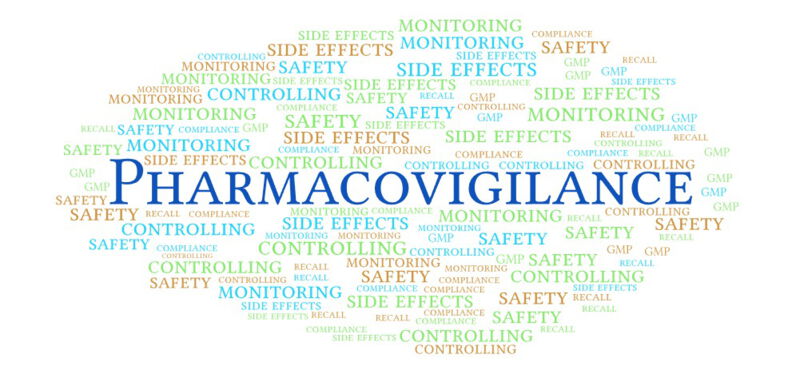
What Is The Role Of Regulatory Authorities?
There are various regulatory authorities operating drugs, such as medicines, capsules, and tablets, worldwide.
- World Health Organization – Operates globally.
- Uppsala Monitoring Centre – manages the global ADR database
- US Food and Drug Administration – manages the USA Drug
- European Medicines Agency – European Drug
- Central Drugs Standard Control Organization – India Drug Regulation
What Are The Practical Tips For Patients And Healthcare Professionals?
| Category | Key Actions |
| For Patients | • Always report unusual side effects to your doctor
• Don’t ignore even mild symptoms • Avoid self-medication |
| For Healthcare Professionals | • Document every adverse reaction carefully
• Report ADRs to national databases • Stay updated with drug safety alerts |
| For Pharma Companies | • Maintain strong monitoring systems
• Ensure transparent reporting • Act quickly on safety signals |
You Can Also Read:Role of CDSCO and State Drug Authorities in India’s Pharma Sector.
FAQ’s related to What Is Pharmacovigilance? Importance Of Drug Safety Monitoring
Q.1 Who approves this drug in pharmacovigilance?
A: These are all drugs used in the pharma industry approved by the U.S. Food and Drug Administration, the WHO, and European medical agencies.
Q.2 Benefit-Risk Assessment, can you explain?
A: This process means comparing drug health benefits against the potential risks and how it is safe for patients & used effectively.
Q.3 How does the safety database work in the Pharmacovigilance Process?
A: It ensures the pharma stores, reports and monitors the activity of drug safety.
Q.4 How do the pharmacovigilance regulations work?
A: The pharmacovigilance regulations work for setting rules for monitoring, reporting, and ensuring the drug is safe to ensure public health. Various indian Companies like Lifevision Healthcare strictly follow all rules and regulations for drug testing.


 Call Us: 8062750200
 Contact Us