
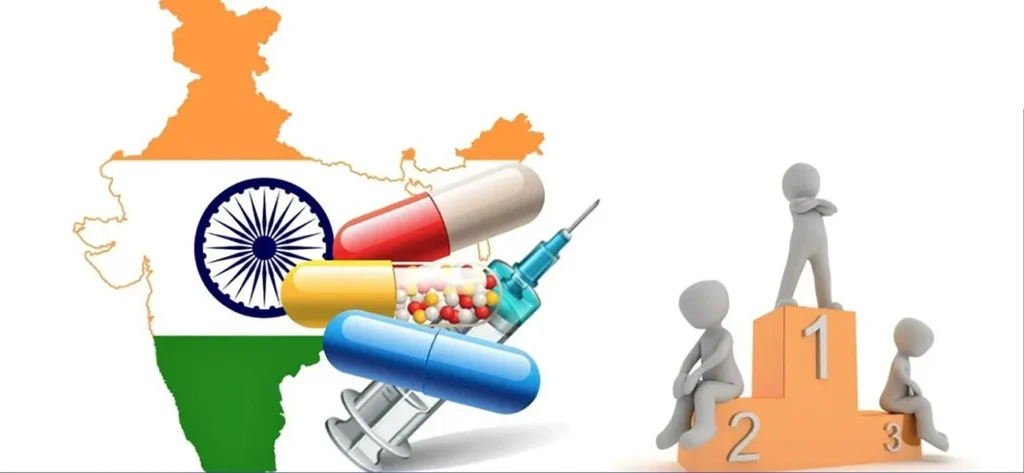
The pharmaceutical industry in India has become a global force and for this reason is referred to as the “Pharmacy of the World.” The production of low-cost medicines in India has resulted in the production of a large percentage of generic drugs and vaccines that are available to the world. The Indian pharmaceutical industry now provides a key contribution to enhancing access to healthcare for millions of people around the world, especially those in developing countries.
India has a focus on providing low-cost medicines, pharmaceutical products manufactured to high standards, and exporting these products globally; therefore, it continues to be at the forefront of providing affordable healthcare to people around the world. So, what really makes India one of the leading providers of affordable medicines? Let’s take a look at these reasons.
Economic Survey by PIB estimates that the Indian pharmaceutical sector is the world’s third-largest pharmaceutical market by volume, with approximately 20 per cent of the global market for generics supplied by Indian manufacturers through exports to 191 countries in the 2025 financial year.
During the 2025 financial year, the Indian pharmaceutical sector will reach approximately ₹4.72 lakh crore (approximately £47.2 billion), with the average rate of growth in total exports having been 7 per cent between the 2015 financial year and the 2025 financial year.
According to the IBEF, India’s pharmaceutical spending is projected to increase at an annual growth rate of 9-12 per cent over the next five years, making India one of the world’s largest markets for pharmaceuticals.
Why Is India Called the “Pharmacy of the World”?
India is one of the leading producers of generic medicines because of its ability to manufacture large quantities of generic drugs at a much lower price than developed countries. This has allowed Indian pharmaceutical companies to supply generics to over 200 countries and meet a significant portion of demand for critical medicines throughout the world.
The Indian pharmaceutical industry is committed to producing high-quality generic medicines like tablets, capsules, softgels, and many more that meet international quality standards and, therefore, they have developed a reputation as reliable suppliers of affordable healthcare products for healthcare systems throughout the world.
Things That Make India the Leader for Affordable Medicines
1. Dominance Over Generic Medicine
India’s leadership in the pharmaceutical industry is primarily due to its dominant position as a producer of generic medicines. Indian companies are able to produce low-cost alternatives to brand-name medications (often costing 10-20% of the brand-name price) and thus allow people all over the world to access life-saving medications for diseases such as HIV, cancer, and tuberculosis.
India not only accounts for a large proportion of generic drugs exported to the United States and Europe, but it also has some of the lowest manufacturing and labor costs in the world, allowing manufacturers in India the ability to produce pharmaceuticals at a small fraction of what manufacturers in western countries incur as production costs. The result directly influences the availability of affordable medicines in India, which then become available for export to international markets.
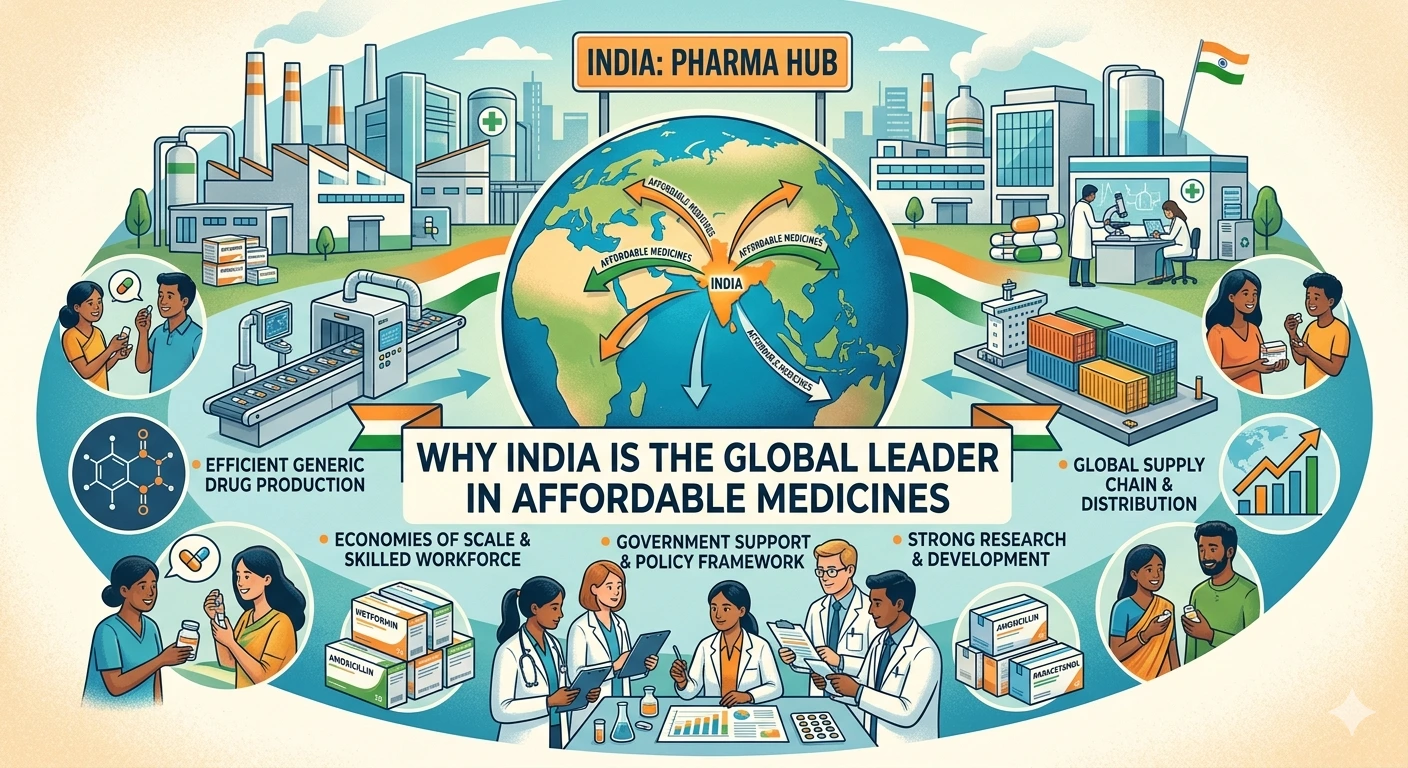
2. Strong Global Export Network
India is positioning itself as a strong player in the global market through initiatives that promote local manufacturing and decrease reliance on external purchasing.
The pharmaceutical industry in India exports medicines to over 200 countries and is one of the largest exporters of pharmaceuticals globally. The country’s pharmaceutical exports have continuously increased, reaching several billion dollars each year.
India supplies a significant proportion of medicines to Africa, Asia and Latin America, allowing people worldwide to access key health products.
3. High Quality Standards and Certifications
Despite offering inexpensive medications, India upholds strict quality standards. Numerous Indian pharmaceutical companies manufacture products based upon approved manufacturing standards from internationally recognised regulatory agencies, including:
- The US Food and Drug Administration (FDA)
- The World Health Organisation – Good Manufacturing Practices (WHO-GMP)
In addition to having the largest number of FDA-approved plants outside of the United States, India is an internationally recognised trusted partner in pharmaceuticals.
4. Vaccine Production Powerhouse
India is also one of the leading suppliers of vaccines and accounts for a major portion of the global vaccine supply. During the global health emergency, the Indian manufacturers were instrumental in making low cost vaccines available to the public.
This continues to solidify India’s position as a leader in global health and demonstrates their commitment to improving healthcare and improving global public health.
5. Support and Policies for the Pharmaceutical Sector
The Indian government has implemented a number of policies to assist the growth of the pharmaceutical sector.
Developing Skilled Workers and R&D Capacity
India’s large pool of educated scientists, research professionals, and engineers are key to innovation in the pharmaceutical industry. More and more investments are being made in research and development in areas of emerging technologies:
- Biosimilar Products
- Biopharmaceutical Products
- Drug Discovery Using Artificial Intelligence
As a result, India develops not only cost-effective medicines, but also competes globally in terms of innovation.
Global Health Impact
The role of India in global health involves more than just the availability of low-cost medications to address the medical treatment needs of people on a global scale. A significant number of people who now receive lifesaving medical treatment have benefited from India’s ability to make available high quality, low-cost medicines.
- Medications used to treat HIV-AIDS originated in India and have opened up access to necessary life-saving treatment for millions of people in developing countries.
- The widespread use of generic medications has allowed for significant reductions in worldwide healthcare costs.
India is a significant player in the global healthcare marketplace, and its role as a trustworthy, responsible pharmaceutical company demonstrates its continued importance in this arena.
Challenges Facing the Indian Pharmaceutical Industry
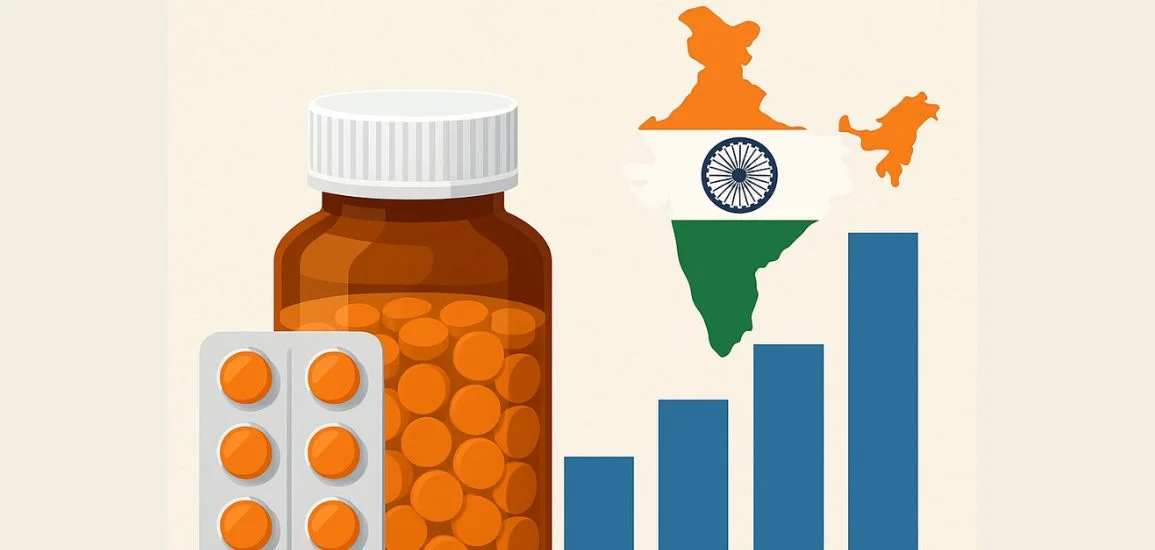
Although the pharmaceutical industry in India is continuing to grow rapidly, it also faces ongoing challenges including:
- Dependency on imported active pharmaceutical ingredients (APIs)
- Increased regulation of substance through international laws and regulations
- Erasing competitive pressures on pricing of pharmaceuticals worldwide
- Increased competitive pressures from other countries
Finding solutions to these challenges will help promote continued growth of the Indian pharmaceutical industry and the continued responsibility of the Indian pharmaceutical industry towards providing affordable medications for people on a global basis.
The Indian pharmaceutical industry continues on a promising trajectory. The ever-expanding appetite for healthcare and the constant technological advancements serve as catalysts for this growth, and there are several expected industry development trends that will likely play a significant role in this evolution.
Examples of These Industry Development Trends Include:
- The increase in digital and AI-based drug development and manufacturing.
- The increasing number of biologicals and specialty drugs available for use.
- The continued increase in global demand for generic drugs.
Based on these trends, India will be well-positioned to continue its role as a leading supplier of affordable medicines.
Conclusion – India Will Continue to be a Leader
The foundation of India’s global success in the pharmaceutical sector is based upon cost savings, quality and innovation and its capacity to produce cost-effective medications without compromising the quality standard has allowed India to be one of the most important contributors to the global healthcare system.
India will assume an even greater role in defining the future of global healthcare as the demand for affordable healthcare continues to expand.
FAQs for Why India Is the Global Leader in Affordable Medicines:
Why is India known as the world “pharmacy of the world”?
India has developed into the world’s “pharmacy” because it produces a significant percentage of the worldwide generics market. Furthermore, it can produce high quality products at lower costs than other parts of the world. Consequently, India represents a significant component of the global pharmaceutical market.
What makes medicines in India affordable?
Medicine in India is Affordable because of its low manufacturing costs, access to skilled labour and the ability to produce medicines on a large scale. The existence of many generic drug manufacturers also means that prices are significantly less than those of their brand-name counterparts.
What are generic medicines and why are they cheaper?
The meaning of generic medicine is as follows. Type of medicine that does not have a brand name but is just as effective and has the same composition as an expensive drug; therefore, it is less expensive because you do not have to pay for extensive research, development, or marketing of the product.
How does India contribute to global healthcare?
India supports global health by exporting cheap medicine and vaccines to more than 200 countries. They are an essential part of providing life-saving medicines to many countries developing their health systems.
What challenges does the Indian pharma industry face?
The pharmaceutical industry in India has many challenges including: importing raw materials(especially from China), being subject to strict Regulation enforcement practices by government agencies, as well as facing strong global competition. It is very important to resolve these issues to maintain growth of the overall Indian pharmaceutical industry.
W6hat is the future of the pharmaceutical industry in India?
The outlook for the pharmaceutical sector in India is very positive given that it will continue to grow due to new innovations, increased use of AI in development and manufacturing processes and the continued increase in global demand for affordable medicines. In fact, it is anticipated that the sector will continue to grow rapidly into the foreseeable future.





 Call Us: 8062750200
 Contact Us